

Production
A finished building only shows the end of the job. Construction timelapse makes the work in between easier to follow, giving project teams a useful view of progress and leaving material they can use after handover.
The finished building is the easy bit to photograph. Showing how it got there takes more thought. By handover, months of work can end up represented by a few early site photos and a very tidy picture of the result.
A timelapse puts the missing journey back in. Foundations appear, the steel goes up and the building gradually takes shape. People can follow that change without sitting through the months it took to happen, which is considerate of everyone’s diary.
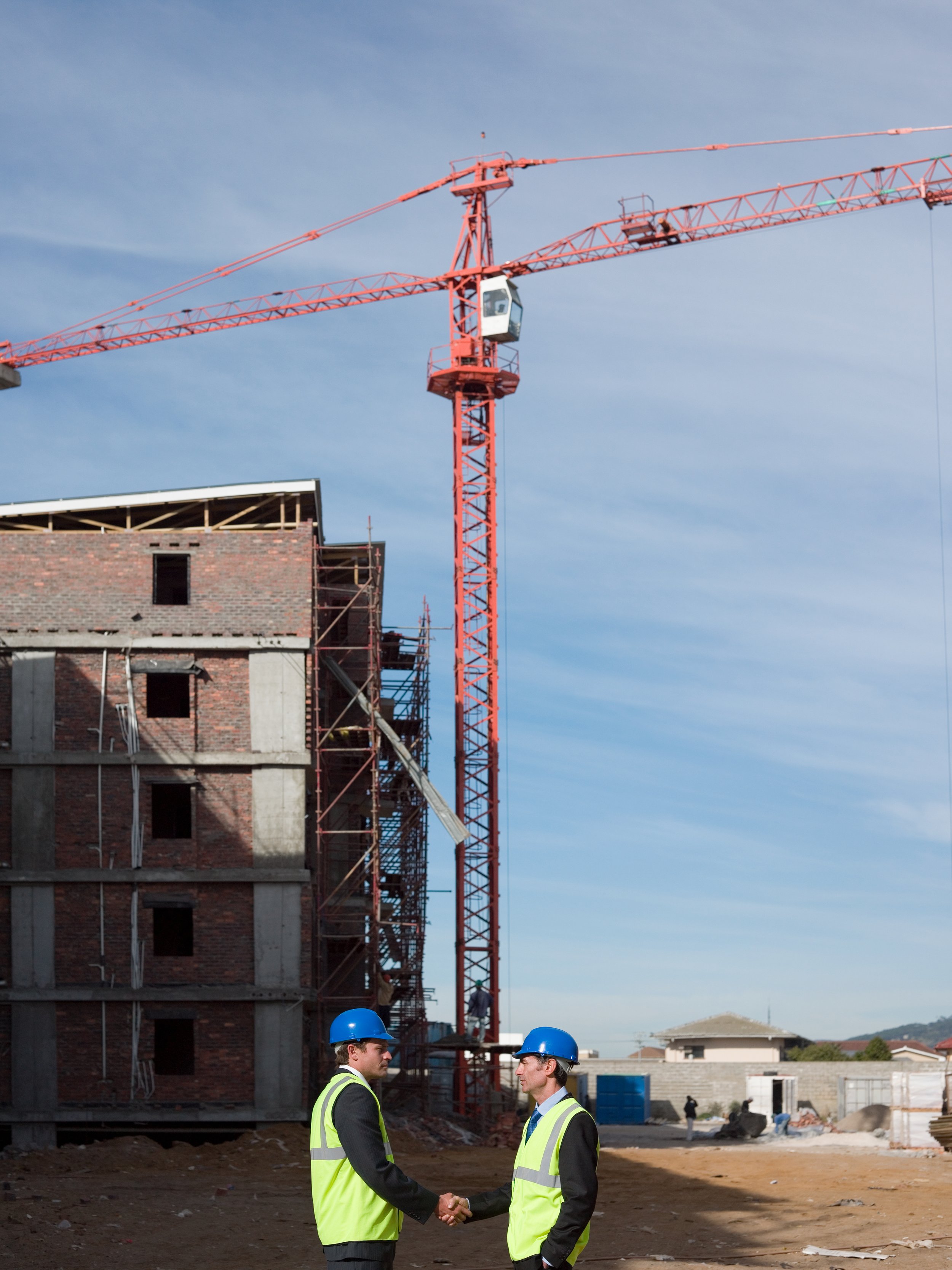
A build changes long before handover. Decide early which parts of that progress you want the camera to follow.
Make the progress easier to follow
A fixed camera can be set to photograph a site at regular intervals, including around the clock where the system and conditions allow. Those images are then assembled into a film, with an edit that makes the progression clear.
That gives stakeholders a useful way into a project they may only know through reports. A board member can see how the build has developed. A funder or local resident gets some context for the activity on site. A new member of the team can catch up without someone having to explain the whole project from the beginning.
The camera position deserves attention early on. It needs a view that will remain useful as the building grows, rather than one that becomes a close study of scaffolding halfway through. The intervals and coverage should suit the length of the project and the changes you want to show.
Give the project team something to revisit
The captured images can also help with progress reviews. They may show how site activity and the sequence of work changed over time, or give a team a way to revisit a particular stage instead of relying entirely on memory.
There’s a practical limit here: timelapse captures at intervals. It shows sampled progress, rather than every second of an operation. A short crane lift may need its own filming if you want a detailed record of exactly how it happened.
Thinking about those uses at the start helps set the right expectations. The finished marketing film and the images a project team wants for a review may need different coverage.
Keep it working after handover
A completed timelapse can sit in a case study, a presentation or a bid. Shorter sections can be cut for social posts, and useful sequences can go into a showreel. For a contractor, developer or architect, it gives the finished project some history rather than showing the end result in isolation.
It also leaves a more organised visual timeline than a folder of phone pictures from different people. The familiar before-and-after still has its place; the timelapse gives you something to put between the two.
If a build is worth documenting, decide that while there’s still a build to document. Installing a camera at the end is an excellent way to get a very short film.
<- ALL UPDATES