

Production, Post Production
A good filming location tells the viewer something before anyone speaks. It also needs to work when the crew arrives. Here's how to choose a setting that suits your brand, with enough thought given to noise, light and the shooting day.
Lovely view. Shame about the leaf blower. A location can look perfect in a photograph and give you quite a different experience when you try to record an interview there.
The setting should help the viewer understand your brand. It might show where the work happens or put a product into context. Before you fall in love with a backdrop, think about what it contributes and whether you can actually film the scene there.
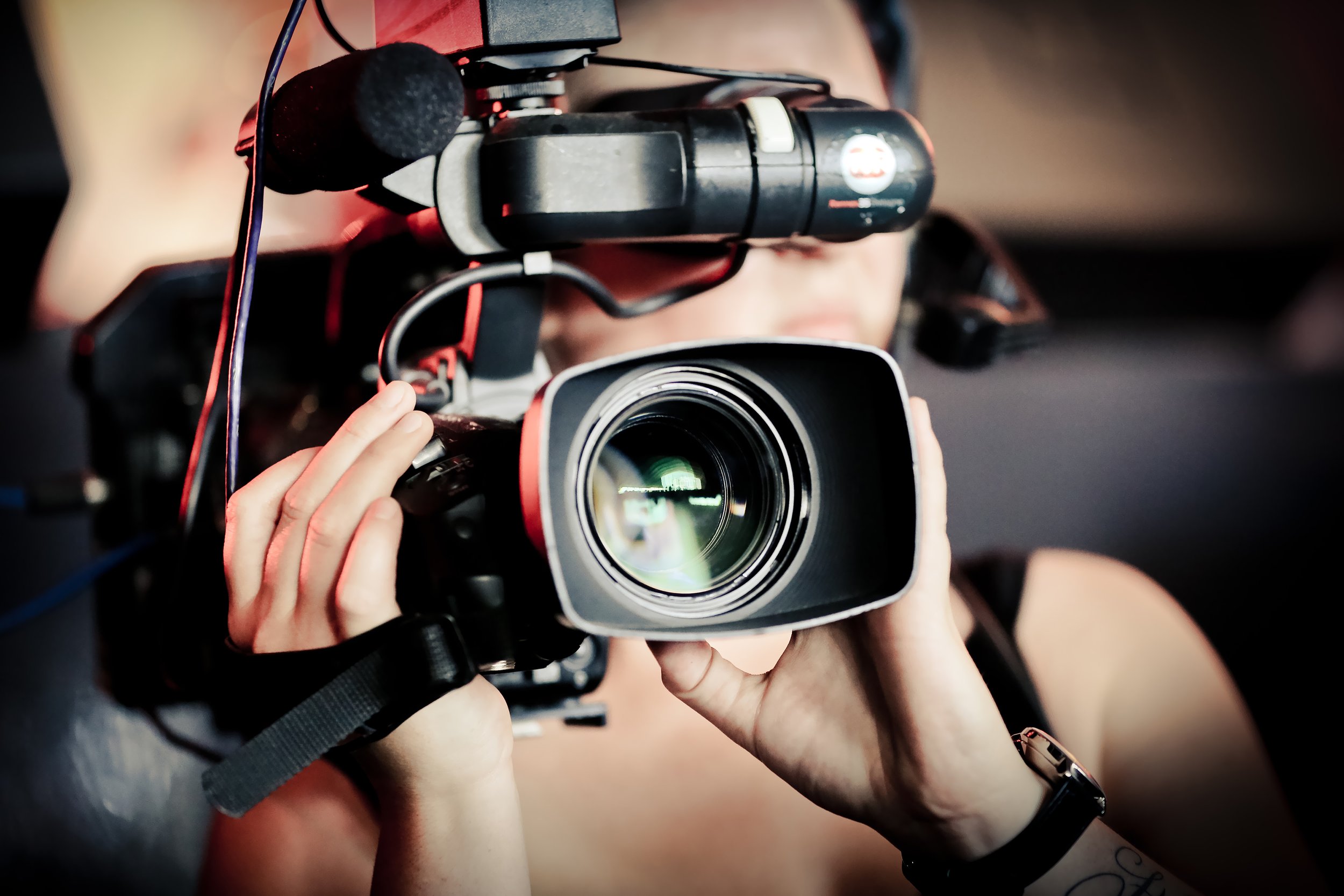
Think about where the camera and crew will work, as well as what belongs in the background.
Choose what the location needs to say
A city setting brings its surroundings into the film: modern buildings, reflections and people moving through the frame. A factory or workshop can show the process behind a product. If you want viewers to understand what your business does, showing the work may be more useful than finding a prettier wall.
Outdoor locations can give a film space and a different pace. A gallery, museum or heritage building brings its own character. Think about whether those associations suit the story you’re telling. A dramatic building can become the most interesting thing in the shot, which may be inconvenient if you’re trying to sell something else.
Your working day may be the best set
An office can reveal how people work together, especially if the film is about the team. It doesn’t need to look like a showroom. Look for a suitable space within it, and decide what should appear in the background.
A co-working space may offer another option when your own premises don’t suit the brief. Filming with a customer can show the product or service being used. Conferences and trade shows can provide footage of your business meeting people. Each choice needs arrangements that let the activity carry on while you film.
Do a recce with the shoot in mind
Visit with the planned scenes in mind, ideally at a similar time of day. Look past the wide view. Find out where the interview could happen, how the light reaches it and what you can hear when you stop talking.
Listen for traffic, machinery and other noise that could compete with dialogue.
Check access for the crew and equipment, and discuss the filming arrangements with the location contact.
Allow time to prepare the space and move between setups.
Have an alternative if an outdoor scene depends on the weather.
When an existing place won’t do
A custom set gives you more say over the background and how it is lit. A virtual environment may suit an idea that would be difficult to realise in a physical location. Both need planning and the right production skills, so bring them into the discussion early.
The location should earn the time and budget you spend on it. If you’re choosing between a few places, Ace Media can help assess them against the scenes you need. A recce is a good time to discover the leaf blower.
<- ALL UPDATES