

Pre Production
How many people does your shoot actually need? That depends on the shots, the schedule and which jobs need doing at the same time. Here's how to build a crew without leaving someone holding three jobs and a light stand.
A twelve-person crew doesn’t automatically make a better film than a two-person crew. It does make a bigger lunch order. The useful question is what those people need to achieve, and how many things will be happening at once.
Too few people can leave the camera operator adjusting the lights while the interviewee waits and the sound goes unchecked. Work out which jobs will overlap before you start booking the crew.
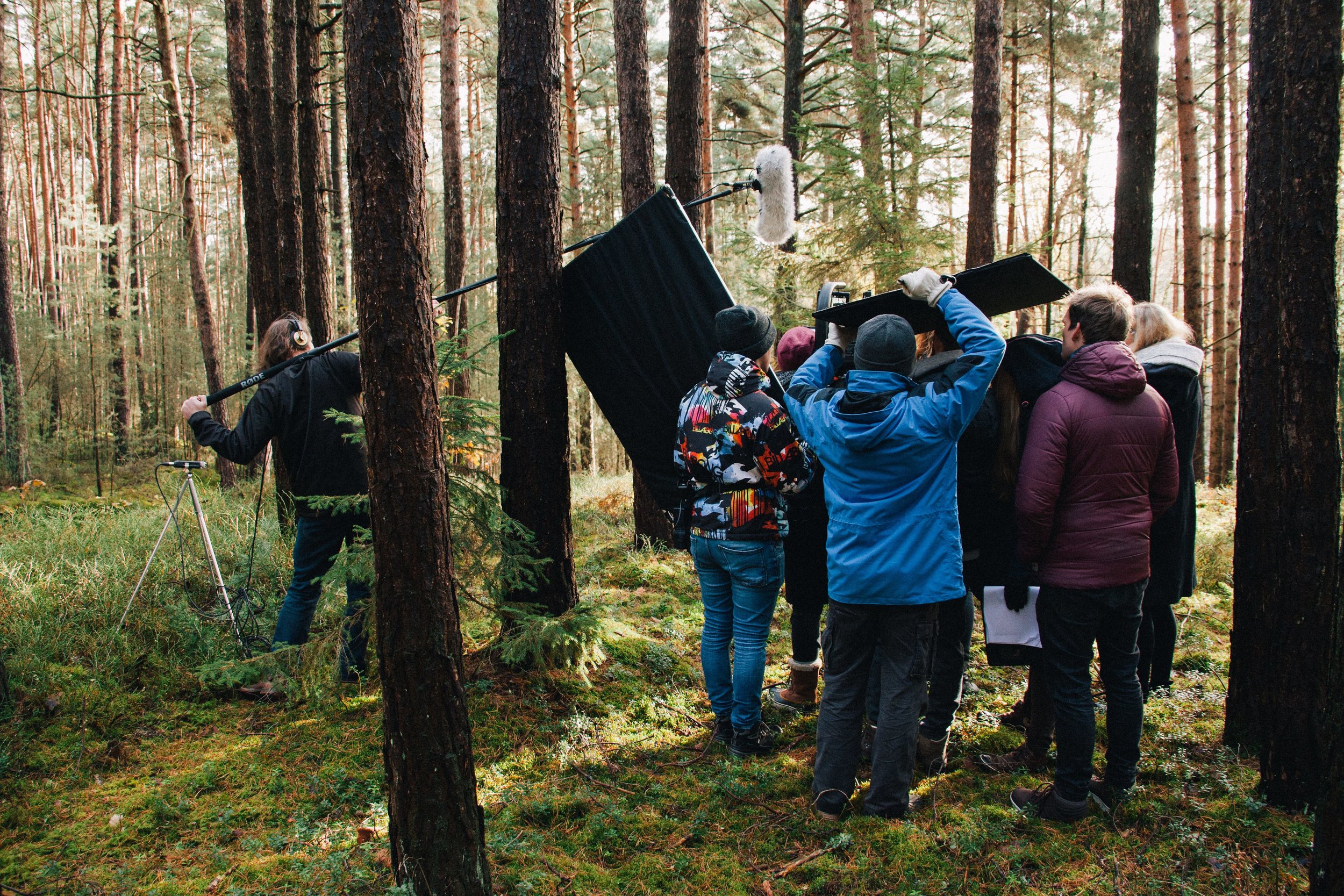
On location, the crew needs to cover more than the person holding the camera.
Start with the day you need to shoot
A seated interview in one room has different demands from a brand film moving between locations. Work through the actual shots. How much lighting needs setting up? Will the camera move? Are you filming several people, covering an event or trying to catch something that happens once?
The schedule matters just as much. A setup that two people can manage comfortably with time to spare may need extra hands when you’ve got an hour in the room. Include travel, equipment changes and the time it takes to make a space ready. Cameras rarely unpack themselves.
Which jobs need their own pair of hands?
Build the team around responsibilities. The cinematographer looks after the image. A gaffer handles lighting. A sound recordist can concentrate on the dialogue while everyone else is distracted by how good the shot looks. A producer keeps the practical arrangements moving.
Some jobs can be combined on a modest shoot. Others need someone’s full attention. A drone sequence, several cameras or live switching can introduce specialist work. Motion graphics may be part of the wider production team without requiring another person on set. Be clear about where each role is needed.
Budget for the work and some breathing space
A small crew can be easier to move and less intrusive in a working office. It also means fewer people available to prepare the next setup while filming continues. A larger crew can divide those tasks, but needs room, coordination and a budget to match.
Look at the equipment alongside the brief. One camera and a small lighting setup are a different proposition from a three-camera event with audio routing and several deliverables. Ask who will operate each part and who will notice if it stops working.
Weather, late arrivals and a last-minute request can upset a tidy schedule. Extra hands may give you breathing space; a small team may be quicker to change direction. Decide which sort of flexibility your project needs.
Whatever the size, people need to know who is making decisions and who is doing what. Clear responsibilities save a surprising amount of standing around. If you’re unsure how to crew your film, send Ace Media the brief and the schedule. We can help you work out where the people are needed.
<- ALL UPDATES