

Pre Production
Some projects need specialists your agency doesn’t need all year. An outside videographer can bring those skills, a fresh eye on the brief and the right crew for the shoot. Here’s how to make that working relationship run properly.
Your agency has the campaign idea. The client likes it. Now someone needs to turn it into a film, and the deadline hasn’t become any more generous.
This is where a good outside videographer can be useful. You get someone who can work through the production questions with your team, then handle the filming and editing the job needs. That might be a single shoot or a regular part of how you deliver campaigns.
There’s room for both in-house and external production. The choice depends on how much video you make, the skills you need and what your team already does well.
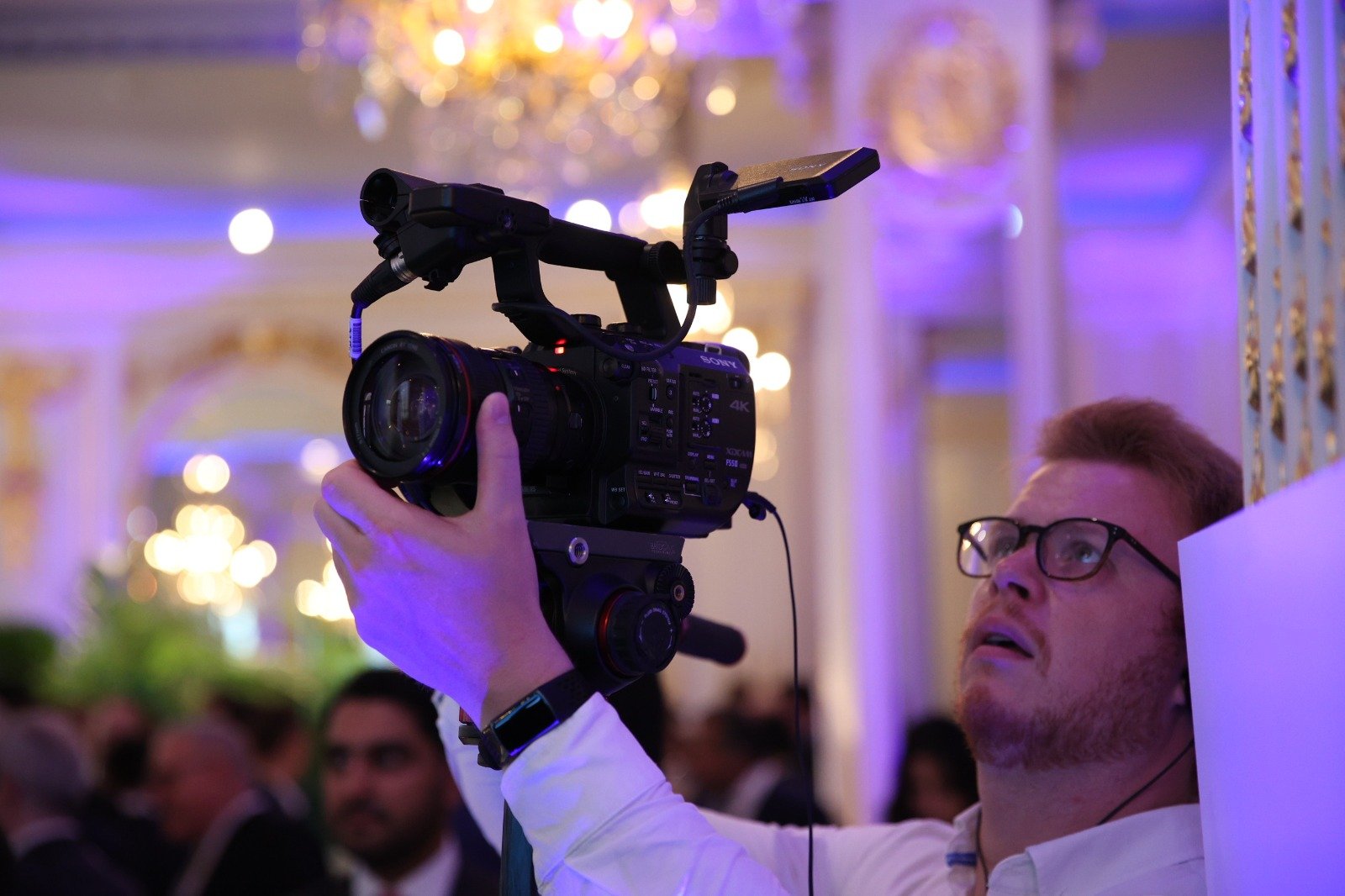
When a campaign needs event coverage, bring in someone who can concentrate on getting the shots.
Bring them in while the idea can still change
The most useful time to involve a videographer is before the treatment is fixed and the client has approved a shot that requires closing a railway station. They can help you work out what’s achievable, where the money will go and which creative choices are worth the effort.
An outside perspective can help here. Your team knows the brand and the campaign; the videographer looks at how the idea will work as a film. A question about the opening, the interview or the location can reveal something the brief hasn’t dealt with yet.
You can also bring in specific skills without needing them available all year. A project might call for an experienced camera operator, a motion designer or extra coverage at an event. Check who the videographer can bring in, and make sure the quote reflects the crew you’ve agreed.
For occasional or specialist projects, paying for that work as you need it can make sense. For a steady stream of straightforward videos, an in-house role may be a better fit. Compare the actual workload and costs rather than assuming outsourcing is automatically cheaper.
Make it easy to work together
The relationship needs a proper briefing. Share the campaign purpose, audience and brand guidelines, along with the approved budget and delivery dates. Useful examples help, particularly when you explain which bits you like and why.
Be clear about who talks to the client. Sometimes the videographer works directly with them; sometimes the agency manages every conversation. Either can work. Agree it early, so nobody has to guess whose answer counts as approval.
Put the deliverables and feedback process in writing. Who signs off the edit? Who collects the comments? What happens when someone asks for another version? A single, considered set of notes is easier to act on than a trail of emails that disagree with one another.
Give the production partner access to the people and information they need, then leave space for them to do the job. The agency still owns the campaign direction. The videographer brings the experience to carry that direction through the shoot and into the edit.
A dependable external partner can become someone your team knows how to brief, and someone who understands how you work. That familiarity is useful when the next project arrives with a tight deadline and very little room for a lengthy introduction.
Got an agency project that needs video? Send Ace Media the brief. We’ll talk through the production with you and work out how we fit into the team.
<- ALL UPDATES