
Pre Production, Production
An aerial shot can explain a location before the film gets close to the people in it. Drone filming makes that perspective available to many productions, provided the flight is planned around the site and the shot has a purpose.
An aerial opening can show where a business operates, how a site fits into its surroundings or how much space an event occupies. It gives the viewer some bearings before the edit comes down to the people and details on the ground.
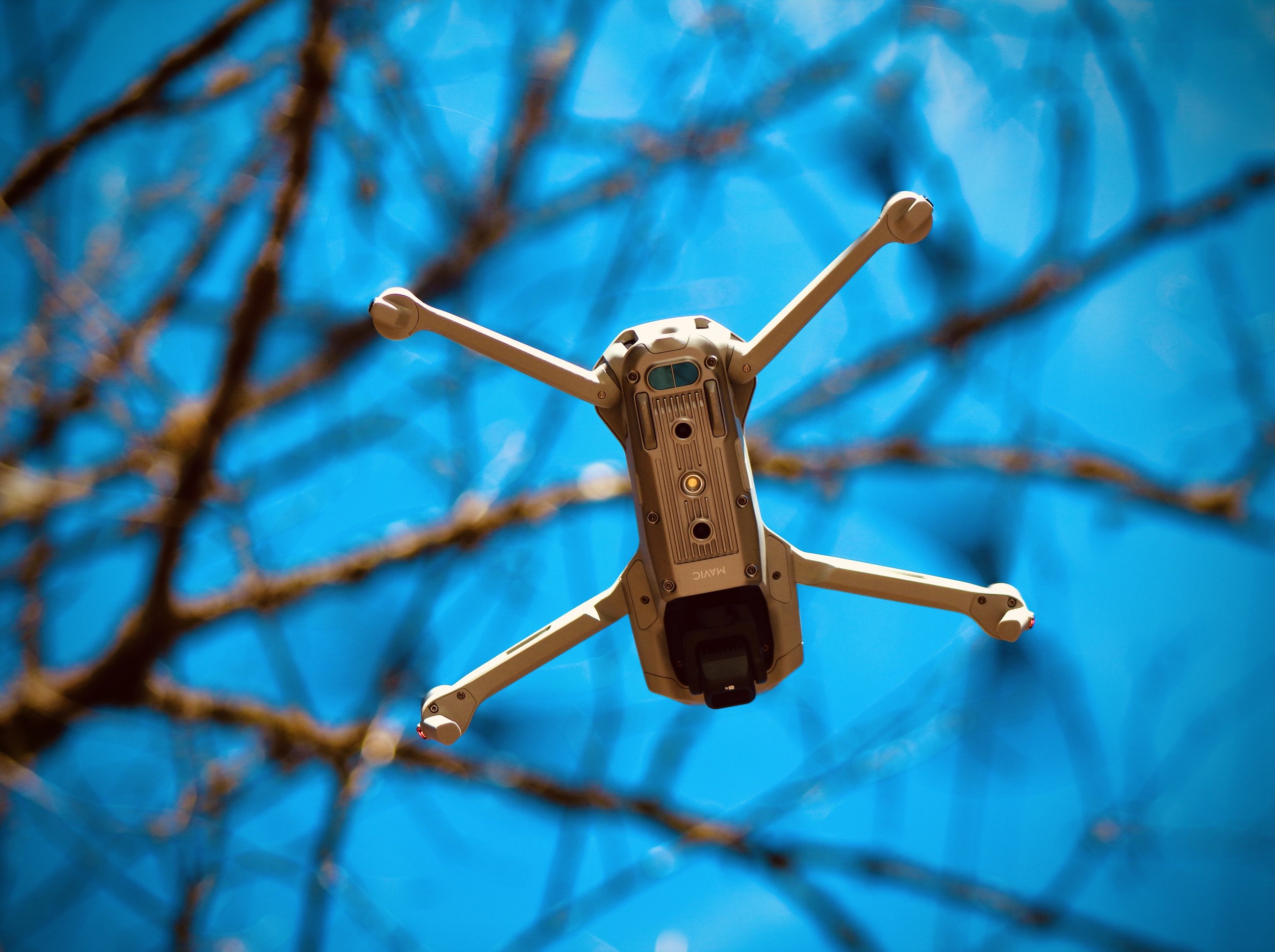
The camera can fly. The next question is what that perspective adds to the film.
For many shots, a compact drone makes that perspective more practical than a helicopter-based production. There’s still a job to plan, though. A drone turning up in a backpack doesn’t mean the flight has arranged itself.
Use the height for a reason
Choose the aerial shot around what the film needs to explain. A wide opening might establish a corporate location. An orbit can show the shape of a building, while an aerial hyperlapse can introduce a setting through movement.
For an event film, the wider view can give the audience a sense of the venue before the edit moves into the activity. It works best alongside the ground-level footage, where you can show people and the moments that make the event particular.
Consider the movement as well as the height. A drone may offer a useful alternative for some shots that would otherwise need a crane or high camera position. Close, carefully controlled moves can still call for different equipment. Match the tool to the shot you actually want.
Plan the flight before promising the shot
The operator needs to assess the location and confirm what flying is possible. Airspace restrictions and distances from people matter, along with the aircraft and the type of operation. In the UK, the required pilot qualifications and authorisations depend on that operation; there isn’t one blanket commercial licence that covers every shoot.
For commercial work, third-party insurance is required as a minimum. At an event, venue coordination and a suitable take-off area need to be part of the plan. Flying in the Open Category does not allow flights over crowds, so an aerial event shot needs more thought than pointing the camera towards the busiest bit.
Give the operator the brief early. If you want a particular angle, a moving subject or a shot at golden hour, they need time to assess it and work it into an achievable flight. Weather may affect the plan, so allow for another way to tell that part of the story.
What belongs in the quote
Ask for a quote based on the proposed location, the filming time and the requirements of the flight. The aircraft, crew and planning involved can all affect the cost. A headline day rate is only useful once you know what it includes.
Decide where the aerial material will sit in the edit before adding a long list of extra shots. A few purposeful views may give you all the context you need. The footage earns its place by helping someone understand the film, rather than demonstrating that the camera can fly.
<- ALL UPDATES